IT Infrastructure Modernization UAE | Agile ManageX Technologies
Mar 24, 2026 • 5 min read
A few months ago, I was sitting in a meeting with a business owner in Dubai who had just survived a three-day system outage. Three full days where his team could not access customer records, could not process orders, and could not answer basic questions because everything ran through a server that finally gave up after years of being held together with temporary fixes and expired software licenses. He looked exhausted, and the first thing he said was - "I kept telling myself we would deal with the IT stuff next quarter."
That story is not unusual. In fact, it is probably the most common way businesses in the UAE finally get serious about IT Infrastructure Modernization in UAE not because they planned for it, but because something broke badly enough that waiting was no longer an option.
This guide is written to help you avoid being that business owner.
Let us Start With What Modernization Actually Means in Plain Language
When people hear the phrase IT Infrastructure Modernization in UAE, they often picture something massive and complicated - a year-long project with consultants everywhere, systems going dark for weeks, and a bill that makes the finance director go pale. Sometimes it is that. But most of the time, modernization is a series of practical decisions about replacing things that no longer work with things that do.
Your server room has equipment that is eight years old and makes a worrying noise every time it gets too hot? That needs to go. Your staff are still manually copying data between two systems that should have been connected years ago? That needs to change. Your network goes down every few weeks and nobody really knows why? That needs to be fixed properly, not patched again.
IT Infrastructure Modernization in UAE is really just the process of bringing your technology up to a standard where it supports your business rather than complicating it. Nothing more mysterious than that.
The UAE Market Makes This More Urgent Than People Realize
Here is something worth understanding about doing business in the UAE right now. The expectations placed on businesses by customers, by government, and by the market generally have moved significantly faster than most companies have been able to keep up with on the IT side.
The government has been remarkably consistent about pushing digital transformation across every sector. Smart city infrastructure, digital licensing, online government services these systems exist and work well, and businesses are expected to connect with them and operate at the same standard. Companies still running on legacy systems find themselves unable to integrate properly with these digital government ecosystems, which creates friction that their competitors without legacy problems simply do not face.
Customer behavior in this market is also unforgiving toward poor digital experiences. The people buying your products and services here are among the most connected and digitally active in the world. They will not sit through a slow loading page or tolerate a checkout process that keeps failing. They will just go somewhere else, usually within seconds, and they probably will not come back.
Regulatory pressure has also increased meaningfully. Data protection requirements, cybersecurity standards, and compliance expectations have all tightened over recent years. Businesses running outdated systems often cannot meet these requirements properly, which means they are carrying risk that sits quietly in the background until it suddenly does not.
This is the environment in which IT Infrastructure Modernization in UAE has become less of a technology conversation and more of a straightforward business survival conversation.
Where Does the Work Actually Happen?
Getting Off Old Hardware and Onto Cloud Infrastructure
The most visible part of most modernization journeys is the move away from physical servers toward cloud-based infrastructure. This is not about following a trend it is about practical advantages that genuinely matter for most businesses.
When your infrastructure lives in the cloud, you are not dependent on physical hardware that ages, breaks down, and requires expensive maintenance. You are not tied to a fixed amount of computing power that either sits mostly unused or cannot handle peak demand. You can let your team work from wherever they need to work without building complicated and insecure remote access solutions on top of systems that were never designed for it.
Most businesses going through IT Infrastructure Modernization in UAE end up on some version of a hybrid setup keeping certain workloads on private infrastructure for control or compliance reasons while moving everything else to cloud platforms. The exact balance depends on what your business does and what your data sensitivity looks like. Getting that balance right is worth spending time on rather than just defaulting to whatever a vendor recommends.
Fixing the Network
Businesses significantly underestimate how much their network affects everything else. A poorly designed or simply old network creates bottlenecks that slow down every system running on top of it. It creates security gaps that are difficult to manage. It limits the performance of cloud systems because even the best cloud infrastructure cannot compensate for a network that cannot move data efficiently.
Network upgrades are often not glamorous work, but businesses that have done it consistently say the improvement in day-to-day performance is one of the most immediately noticeable outcomes of the whole modernization process.
Dealing With Aging Data Centers
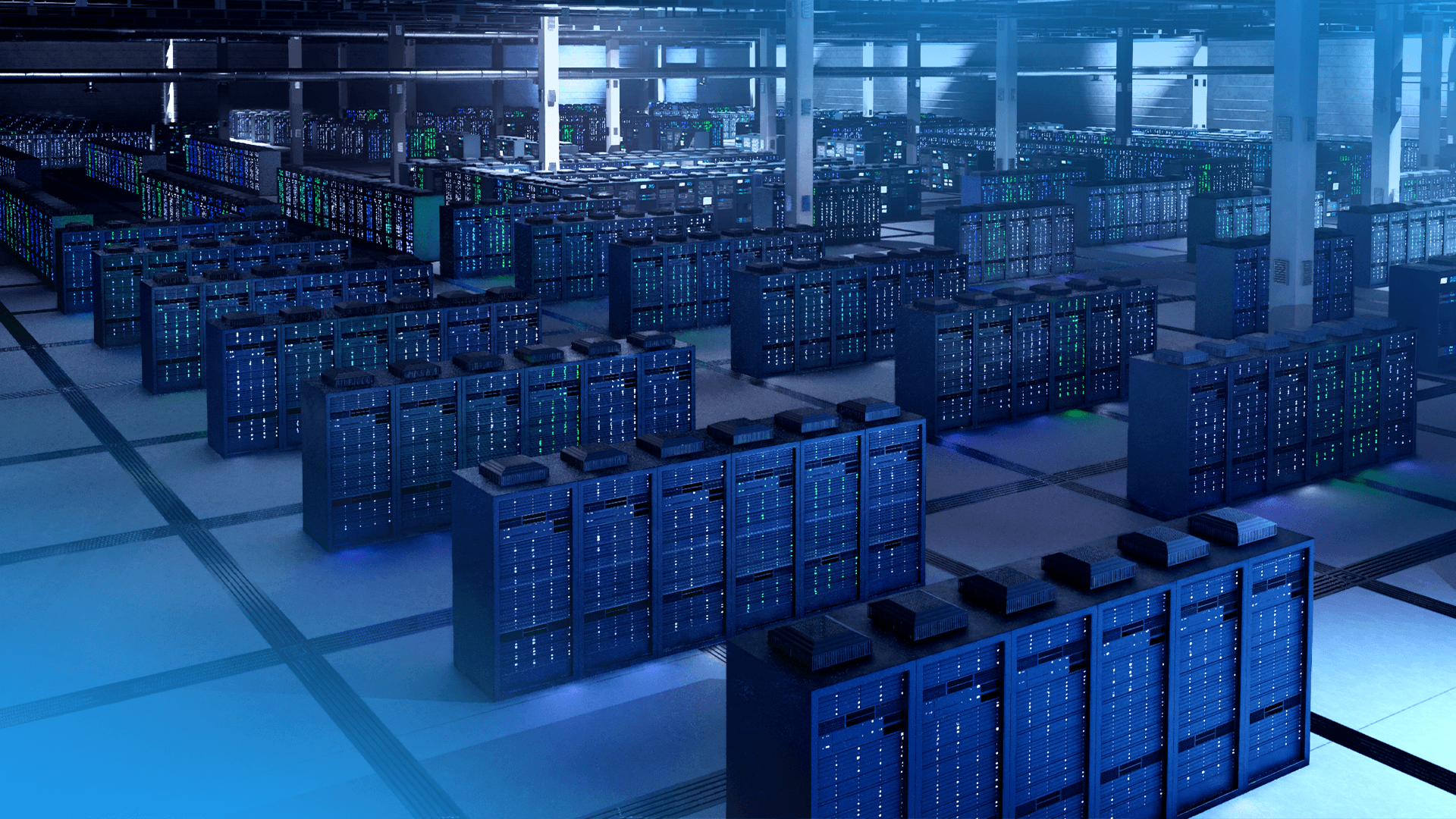
There are still businesses in the UAE maintaining physical data centers that were built fifteen or more years ago for workloads that bear little resemblance to what the business runs today. These facilities cost money to run, require dedicated staff attention, and carry significant risk particularly around disaster recovery, because older data centers often have limited redundancy built in.
Modernizing or migrating away from these environments removes a significant operational burden and often releases budget that can be redirected toward more useful technology investments.
Removing Manual Work That Should Not Exist
Every IT environment has a collection of manual processes that have accumulated over the years things that someone set up as a temporary solution and then never got around to automating properly. Backups run manually. Reports get generated by someone copying data between spreadsheets. Updates get applied one machine at a time by someone working through a list.
These processes waste time, introduce errors, and create dependencies on specific people who become single points of failure. Removing them through proper automation is one of the most practically valuable things a business can do during a modernization program.
Building Security That Holds Up
Legacy systems carry legacy security, and legacy security is not adequate for the threat environment that businesses operate in today. Old systems have vulnerabilities that are publicly documented and actively exploited. Keeping them secure requires constant patching work that still leaves gaps because the underlying architecture was never designed with current threats in mind.
Proper IT Infrastructure Modernization in UAE builds security into the foundation rather than adding it on top. Real-time monitoring that actually catches things before they become incidents. Access controls that work the way they are supposed to. Encryption standards that meet current requirements. These are not optional extras they are the baseline for operating responsibly in this market.
The Right Way to Approach This Without Creating New Problems
Most modernization projects that go badly wrong share the same root cause — somebody started implementing before they finished planning. A vendor made a compelling pitch, a decision got made quickly, and six months later the business is dealing with a half-migrated system, unexpected costs, and a team that does not know how to use the new tools properly.
Here is what a sensible approach looks like instead.
Start by understanding exactly what you have
Before any decisions about new technology, spend time properly documenting what currently exists. Which systems are running? What do they depend on? What would break if they stopped working tomorrow? What is the actual cost in money and time of maintaining each one?
This is boring work and businesses are often tempted to skip it. Do not skip it. The time you spend here prevents far more expensive surprises later.
Make the business objectives drive the technology choices
The technology you choose during IT Infrastructure Modernization in UAE should be answering specific business questions, not the other way around. If the primary objective is reducing operational costs, that points toward certain decisions. If the priority is enabling faster customer service, that points toward different ones. If compliance is the most urgent concern, that changes the priorities again.
Getting business leadership aligned on what actually matters before any technology selection happens is the difference between a modernization program that delivers real value and one that solves problems nobody was actually asking about.
Move in phases rather than all at once
Even businesses with generous budgets and experienced IT teams find that trying to modernize everything simultaneously creates more problems than it solves. Phase the work. Tackle the highest-risk or highest-value areas first. Get each phase properly bedded in before moving to the next. This approach costs less, creates less disruption, and builds organizational confidence in the process along the way.
Find a partner who actually knows the UAE market
IT Infrastructure Modernization in UAE has local dimensions that matter. Data residency requirements, specific regulatory frameworks, the availability and performance characteristics of regional cloud infrastructure, industry-specific compliance standards — these affect the decisions you make and the solutions that are appropriate for your situation. Agile ManageX Technologies understands these local factors alongside the technical requirements, which makes a genuine difference in how well the outcomes match what the business actually needs.
Treat maintenance and review as ongoing work
The businesses that get the most lasting value from modernization are the ones that build review cycles into their operations permanently. Technology changes. Threats evolve. Business requirements shift. An infrastructure that was right for your business two years ago may need adjustment today. Regular reviews catch those gaps before they become problems.
The Parts That Are Genuinely Hard
Spending too much time on the benefits without being honest about the difficulties does not help anyone planning a real modernization program. Here are the challenges that catch businesses most off guard.
Getting budget approved is genuinely difficult when the case rests on preventing future costs rather than delivering immediate returns. Finance teams are trained to look for clear return on investment, and "this will prevent us from having a three-day outage like our competitor had" is a harder argument to quantify than "this will generate this much additional revenue." The most effective approach is to document current costs as specifically as possible that does downtime actually cost per hour? What does the IT team spend maintaining legacy systems that could be redirected to more valuable work? What would a significant security incident cost to resolve? Those numbers usually make the investment look very different.
Data migration is where things most commonly go wrong technically. The process of moving years of business data from old systems to new ones is complex, and errors during migration can range from annoying to seriously damaging. Testing, rollback planning, and staged migration approaches are not optional precautions - they are the difference between a migration that works and one that does not.
People take longer to adapt than most plans account for. Technology transitions require behavioral change from the people using the systems, and behavioral change takes time. Teams that have worked with the same tools for years will be slow to adopt new ones even when the new ones are clearly better. Budget time and investment for proper training and expect a productivity dip during the transition period.
What Businesses Actually See After Modernization
The businesses that have gone through IT Infrastructure Modernization in UAE properly with real planning, appropriate investment, and experienced support tend to describe similar outcomes.
The IT team changes what it spends its time on. Instead of keeping old systems running, it starts doing things that move the business forward. That shift in where IT effort goes is often more valuable than any individual technology improvement.
The business becomes harder to knock over. Modern infrastructure with proper redundancy, real security monitoring, and tested disaster recovery means that the incidents which used to cause significant disruption either do not happen or get contained before they become serious.
Growth becomes less complicated. When your infrastructure is modern and well-integrated, adding capacity, entering new markets, or launching new services does not require rebuilding IT foundations from scratch each time. The systems you have can accommodate growth rather than fighting against it.
Directions Worth Paying Attention To
Hybrid cloud arrangements have settled in as the practical standard for most organizations of any significant size. The earlier predictions that everything would eventually move to public cloud have given way to a more nuanced reality where the right answer depends on specific workload characteristics, compliance requirements, and cost considerations for each organization.
Edge computing is becoming operationally relevant for a growing number of UAE businesses particularly those with operations across multiple locations or those dealing with time-sensitive data processing. The ability to process data closer to where it originates reduces latency in ways that matter for real business outcomes.
Sustainability has moved from a talking point to a genuine consideration in infrastructure decisions. Energy consumption in IT operations is real, and both internal sustainability commitments and external regulatory expectations are pushing businesses to factor efficiency into infrastructure choices in ways they did not previously.
The Bottom Line
If your current IT systems regularly cause problems, cost more than they should to maintain, limit what your teams can do, or leave you uncertain about your security posture those are not technology problems, they are business problems. And they are the kind of business problems that get worse with time, not better.
IT Infrastructure Modernization in UAE is the practical work of fixing those problems in a structured way. Not chasing trends, not spending on technology for its own sake just building an IT foundation that your business can actually rely on.
Agile ManageX Technologies has helped businesses across the UAE work through exactly this process from the initial honest assessment of what exists, through the planning and phased implementation, to the ongoing optimization that keeps systems performing the way they should.
The conversation is worth having sooner rather than later. The business owner in Dubai who lost three days to a server failure would tell you the same thing.
Frequently Asked Questions (FAQ)
What does IT Infrastructure Modernization in UAE actually involve?
It involves systematically replacing or upgrading the IT systems your business depends on servers, networks, software, security tools, and data infrastructure so that they match the actual demands of running your business today rather than the demands of ten years ago.
Why do UAE businesses face more pressure around this than companies in other markets?
The combination of an active government digital transformation agenda, a highly digitally engaged customer base, and tightening regulatory requirements around data and security creates a more demanding environment than many other markets. The gap between businesses with modern infrastructure and those without it is more visible and more consequential here.
How long does a modernization program realistically take?
A smaller business working through a focused modernization of its most critical systems might complete the core work in four to six months. A larger organization with complex legacy systems, multiple locations, and significant compliance requirements is more likely to be working through a phased program over twelve to twenty-four months.
Is moving to the cloud always part of modernization?
It is part of most programs, but the form it takes varies. Some businesses move the majority of their workloads to public cloud platforms. Others maintain significant on-premise infrastructure and use cloud selectively. Most land somewhere in between, and the right balance depends on specific business and compliance requirements.
What problems come up most often during modernization?
Data migration complications, budget conversations that take longer than expected, and underestimating how much time and support teams need to adapt to new systems are the three most common challenges. None of them are insurmountable, but all of them require genuine planning rather than being treated as details to sort out along the way.
What specifically does Agile ManageX Technologies do?
They work with UAE businesses across the full modernization journey initial infrastructure assessment, planning and roadmap development, cloud migration, network and data center upgrades, cybersecurity improvements, and ongoing optimization. Their experience in the UAE market specifically means they bring relevant local knowledge to decisions that have local dimensions.
Start the Conversation. Secure the Future.
Protect your business identity with expert Brand Protection In Dubai services. Secure trademarks, prevent infringement, and safeguard reputation.
Contact us Today